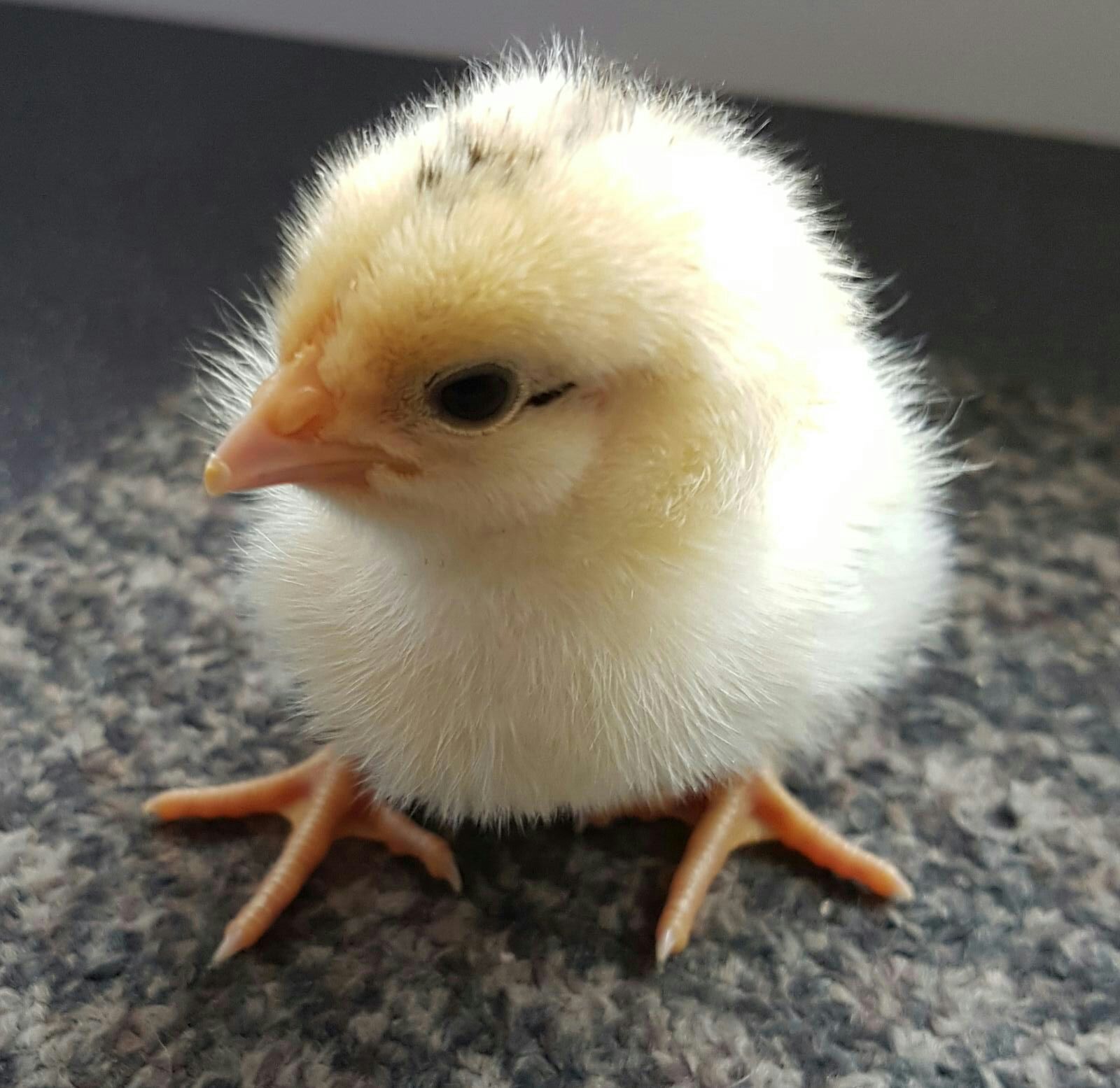
One of the first parts of our smallholding journey involved learning how to care for poultry.
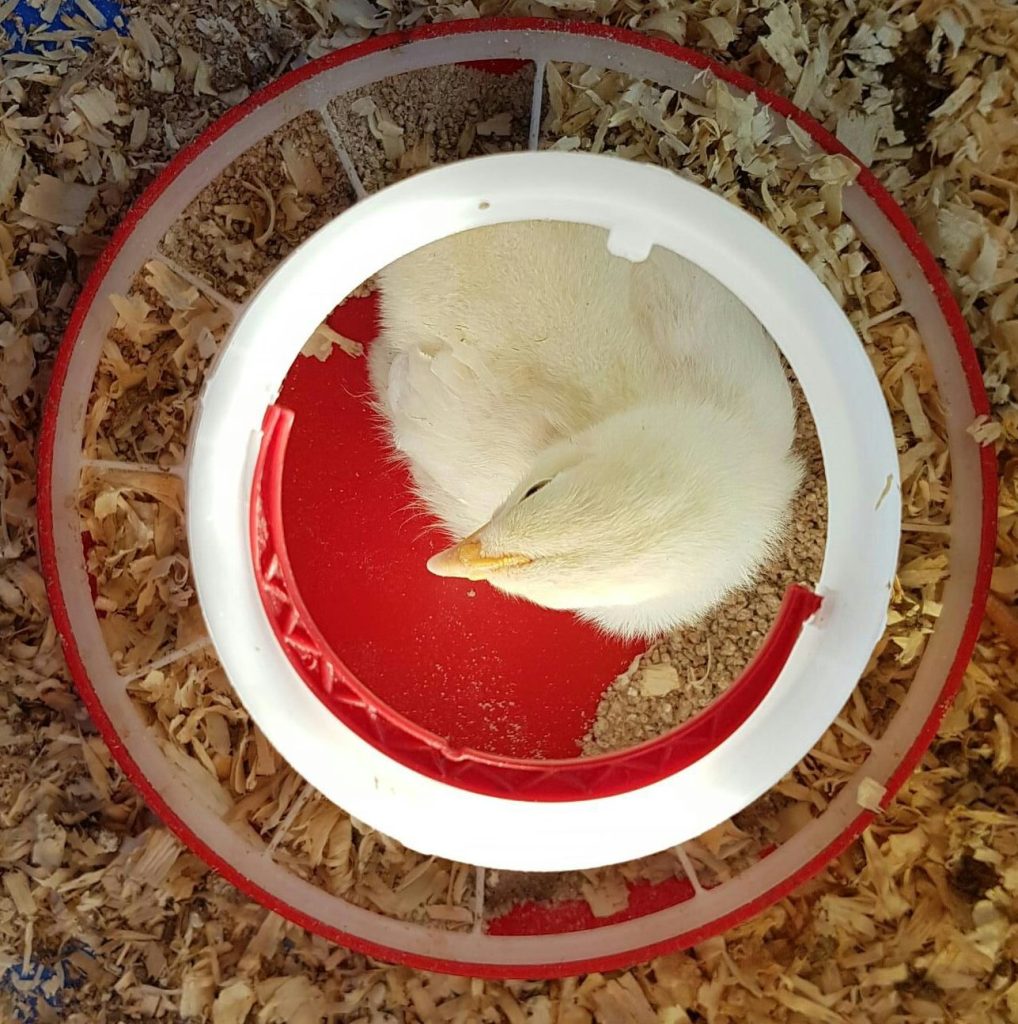
We started with more enthusiasm than experience, spending evenings reading books, researching online to understand what was involved in caring for chickens, ducks and turkeys.
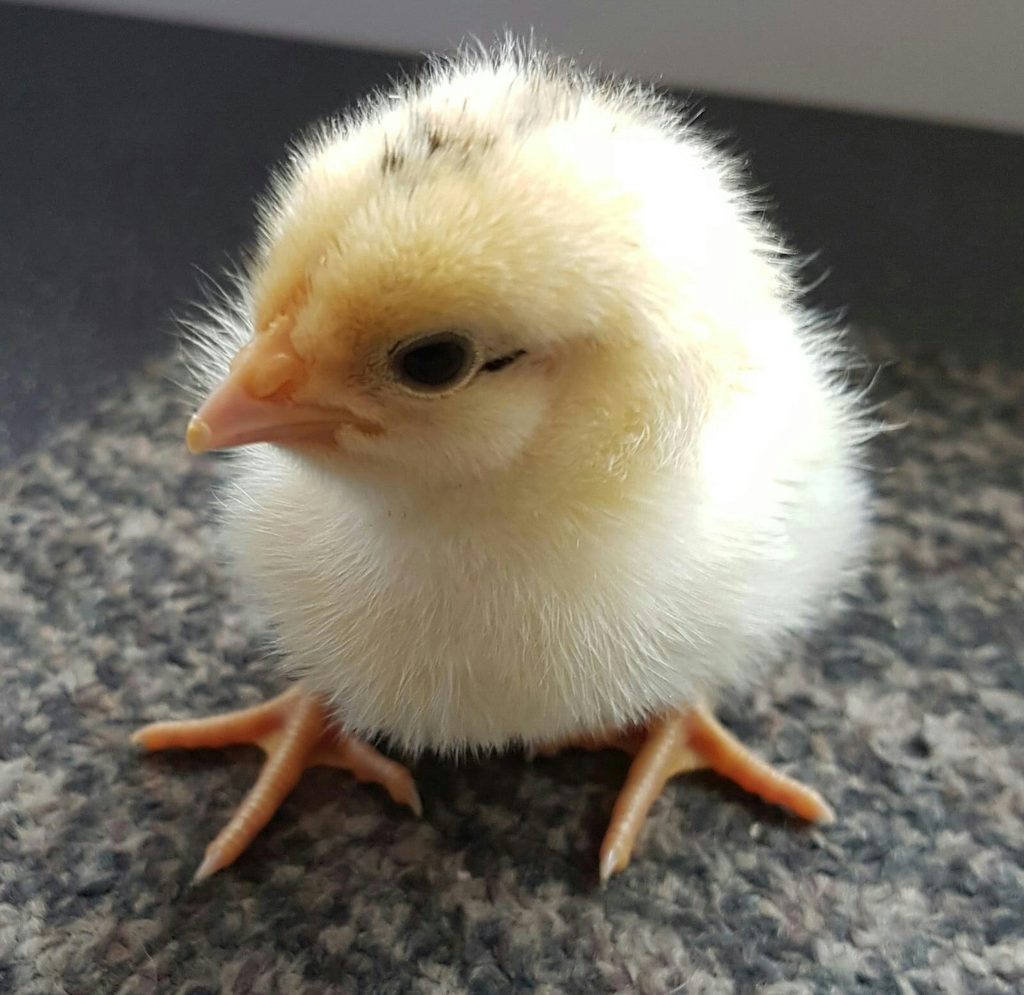
Since 2008, our flocks have changed many times. We raised many different breeds of chickens, incubated and hatched chicken and turkey eggs and cared for a flock of fifty Aylesbury ducks.
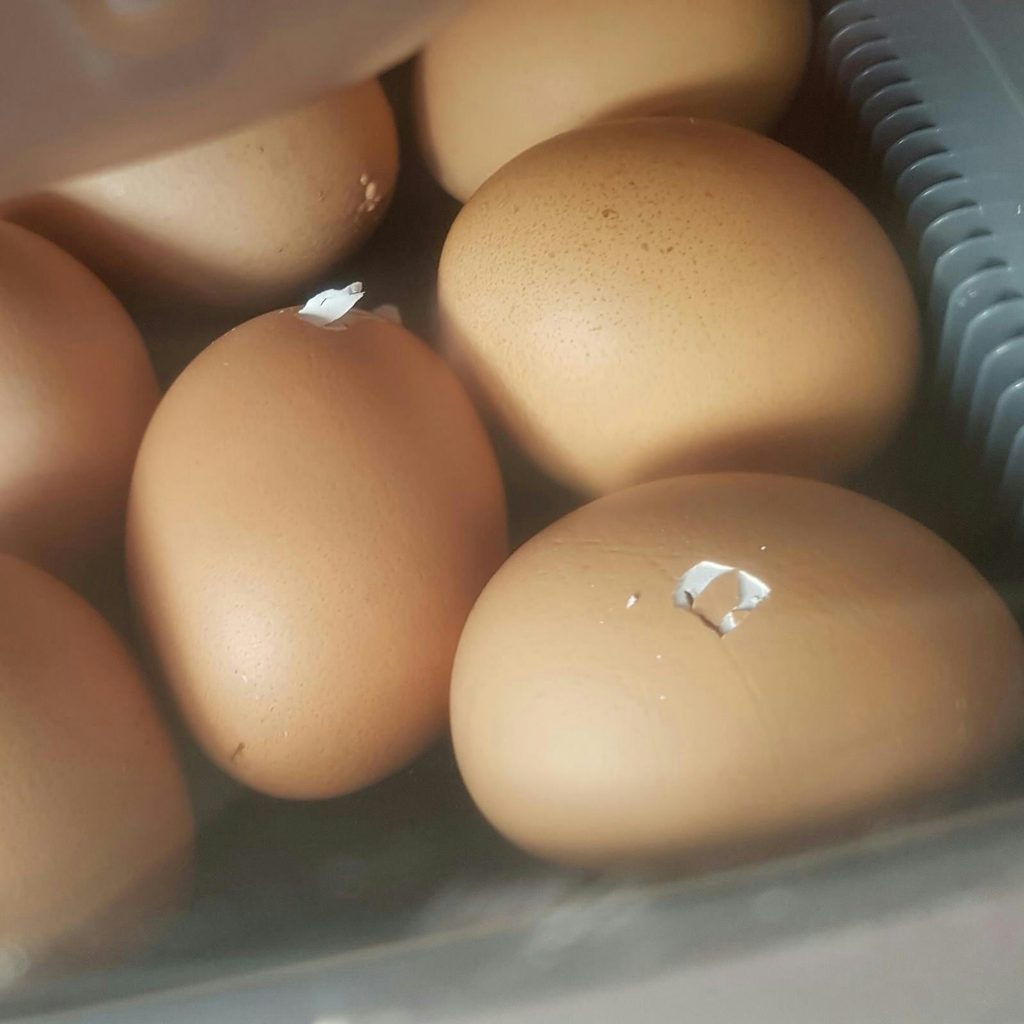
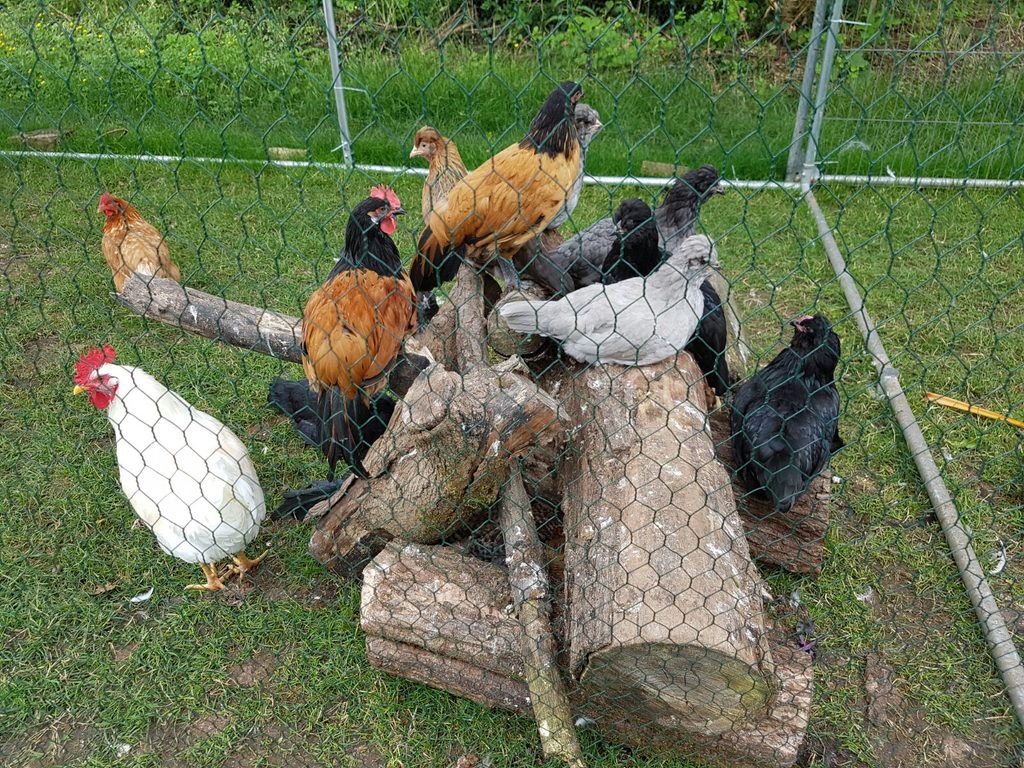
What surprised us most was how much poultry contributes beyond simply providing eggs.
Our ducks and chickens became active partners in managing the land. They helped control slugs, reduced some garden pests and provided valuable manure and bedding materials that could be composted and returned to the soil. The result was healthier flower beds, shrubs, fruit bushes and vegetable plots.
Of course, there were challenges too. We experienced failed hatches, muddy gardens and more than the occasional escape artist who seemed determined to explore neighbouring gardens. In truth, most of the mischief came from the turkeys.
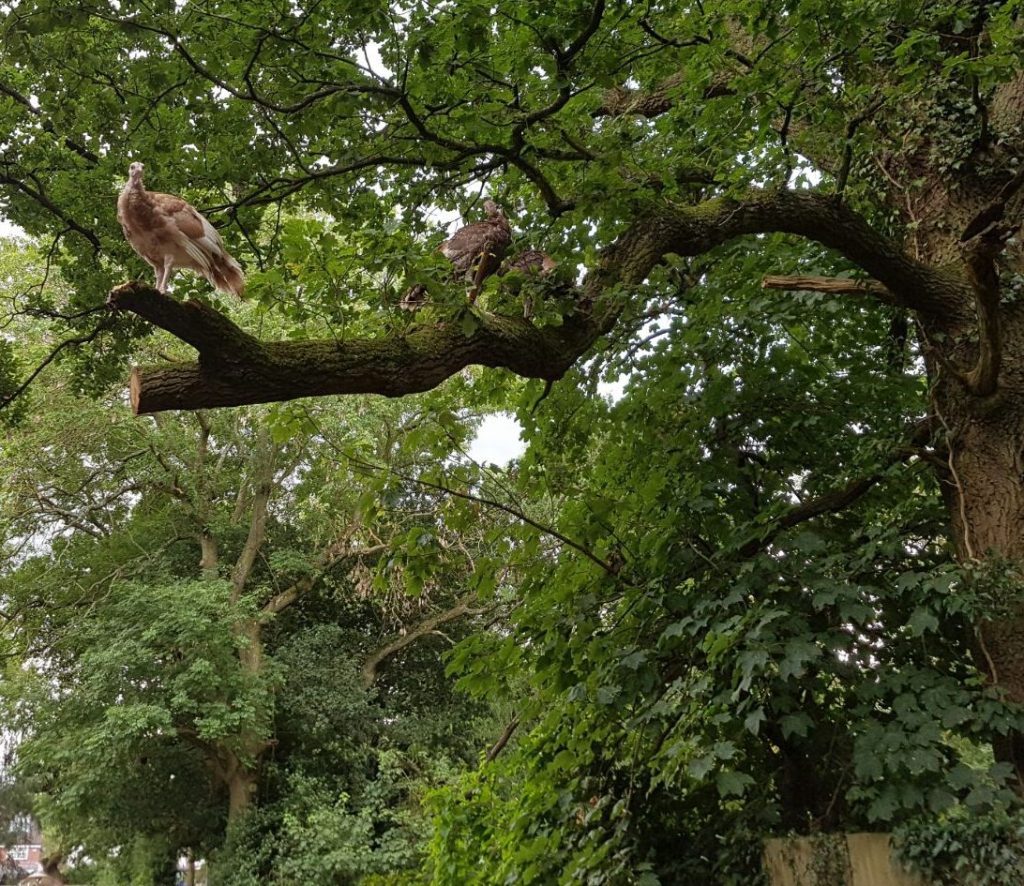
For reasons known only to themselves, the turkeys seemed determined to prove that fences were merely suggestions. They regularly escaped and developed a habit of roosting in trees if we left it too late to put them to bed, sometimes in trees that didn’t even belong to us. Retrieving them could become quite an adventure, especially when they decided they had found the perfect overnight accommodation in a neighbouring garden.
On one memorable occasion, a group of them somehow managed to get onto a neighbour’s house roof and settled down quite happily to roost there. On other occasions, they decided that a different neighbour’s car bonnet and their iron gates were the perfect places to sit and watch the world go by. Thankfully our neighbours were wonderfully understanding, and the turkeys always provided plenty of entertainment, even when they were testing our patience.
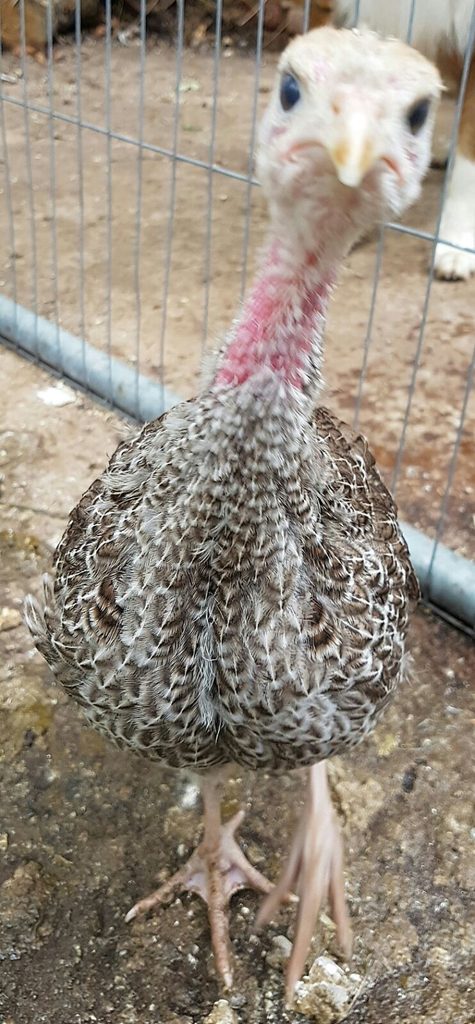
Despite their tendency to cause chaos, they were fantastic characters. Each bird seemed to have its own personality, and looking back, many of our fondest memories involve their latest escape attempt or some new way they had found to get into trouble.
If we ever keep turkeys again, we’d love to do it differently, giving them access to woodland where they could roam more naturally while still enjoying the freedom and space that seems to suit them so well.
One of the most rewarding aspects of keeping poultry was understanding how interconnected everything is. The birds supported the garden, the garden supported the household, and the composting process helped close the loop between the two.
These experiences shaped many of our wider interests in sustainability, growing food and making better use of resources.
Today, all of the birds have gone, but the lessons remain. Poultry keeping became increasingly difficult as bird flu restrictions and mandatory flock lockdowns became a regular part of life. What was once a relatively straightforward hobby required much more planning, biosecurity and management than in previous years.
As Cranford Farm develops into a Maker Centre, we hope to share not only practical crafting skills but also some of the lessons we’ve learned from smallholding life: patience, curiosity, resilience and the value of working with nature rather than against it.
After all, whether you’re raising poultry, growing vegetables, weaving yarn or learning to use a CNC machine, the best learning often comes through experience, mistakes and trying again. The birds may have gone, but the knowledge they helped us gain remains part of the Cranford Farm story.